


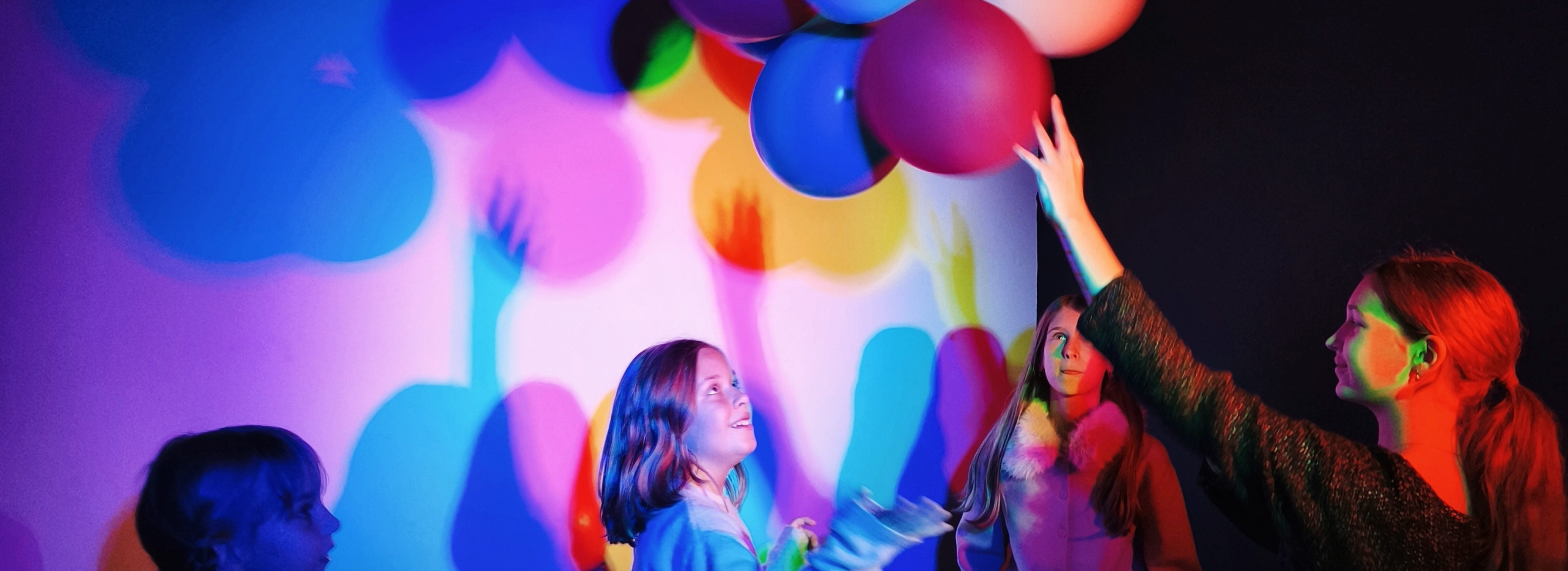
As the end of the school year approaches, students usually have just one mission left: spend as much time outside the classroom as possible. Teachers, on the other hand, have another — finding a trip where everyone will have fun and nobody gets bored after the first ten minutes.
And then there are places where something quite interesting happens. Spaces where mathematics suddenly loses its balance, gravity seems to stop doing its job, and students start debating whether it’s possible for someone to look both smaller and taller than their friend in the very same room.
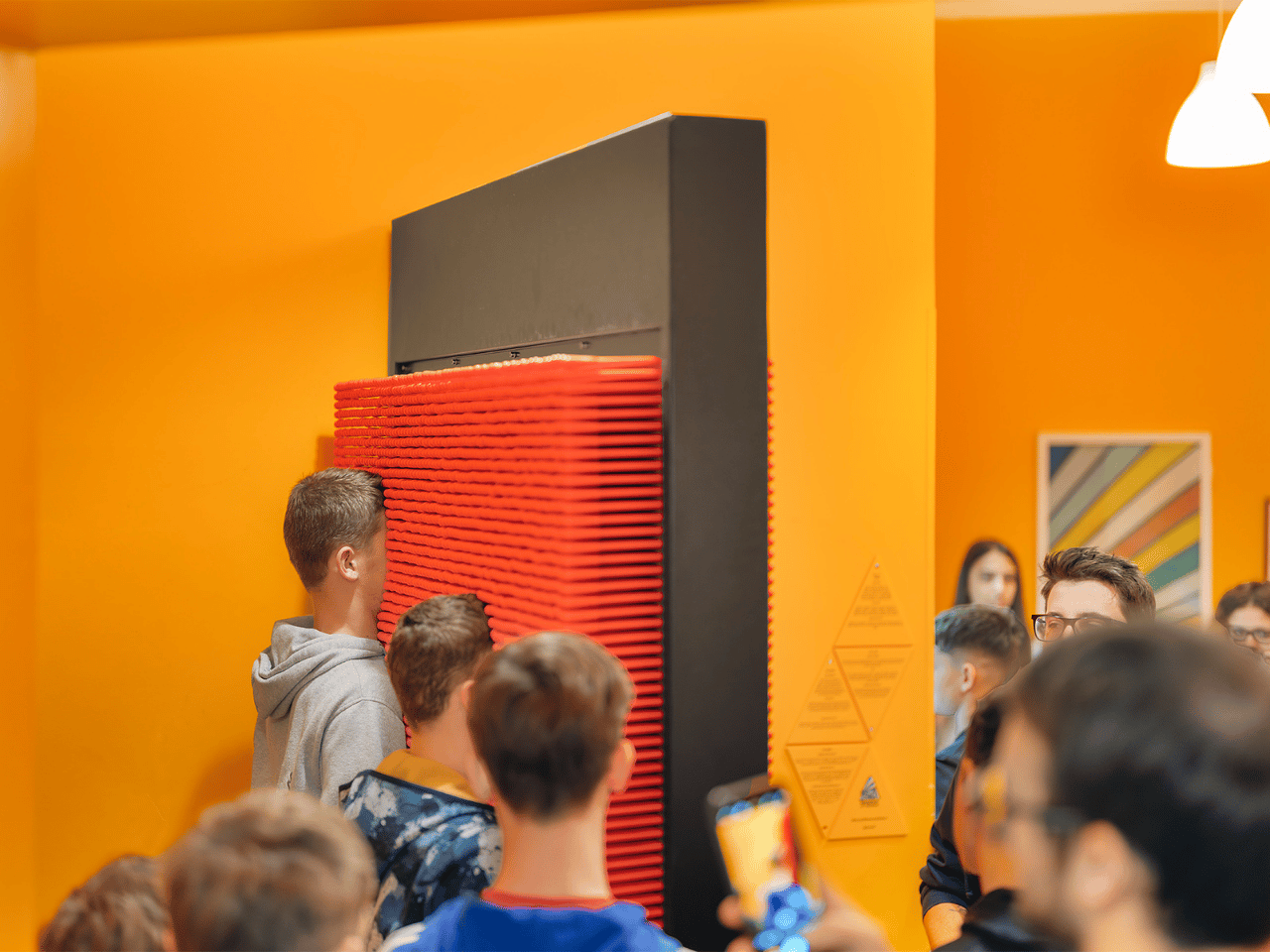
That’s where we come in — welcome to the world of illusions
At a time when children and teenagers are used to screens, fast content, and constant stimulation, it’s almost surprising to watch a group genuinely interact with one another. No phones in their hands. No boredom. Just questions like: “How is this possible?” “Wait, take the photo again!” “What happens if I stand here?”
That’s exactly what optical illusions do — they spark curiosity.
In a fun and engaging way, they show us that our brains are not always the most reliable tool for understanding the world. And that’s why this experience becomes much more than just a walk through a museum.
One of the most entertaining things about school groups is watching how quickly classes turn into small teams of explorers. Some compete to solve puzzles first. Others search for the strangest photo opportunity. And some try to figure out how a room can suddenly make someone look like a giant.
Teachers are usually not immune to it either.
The best part of trips like these is often the fact that they don’t feel like “learning.” Yet they still open conversations about perception, psychology, perspective, physics, logic, and teamwork. Students explore, think, communicate, and collaborate naturally through the experience.
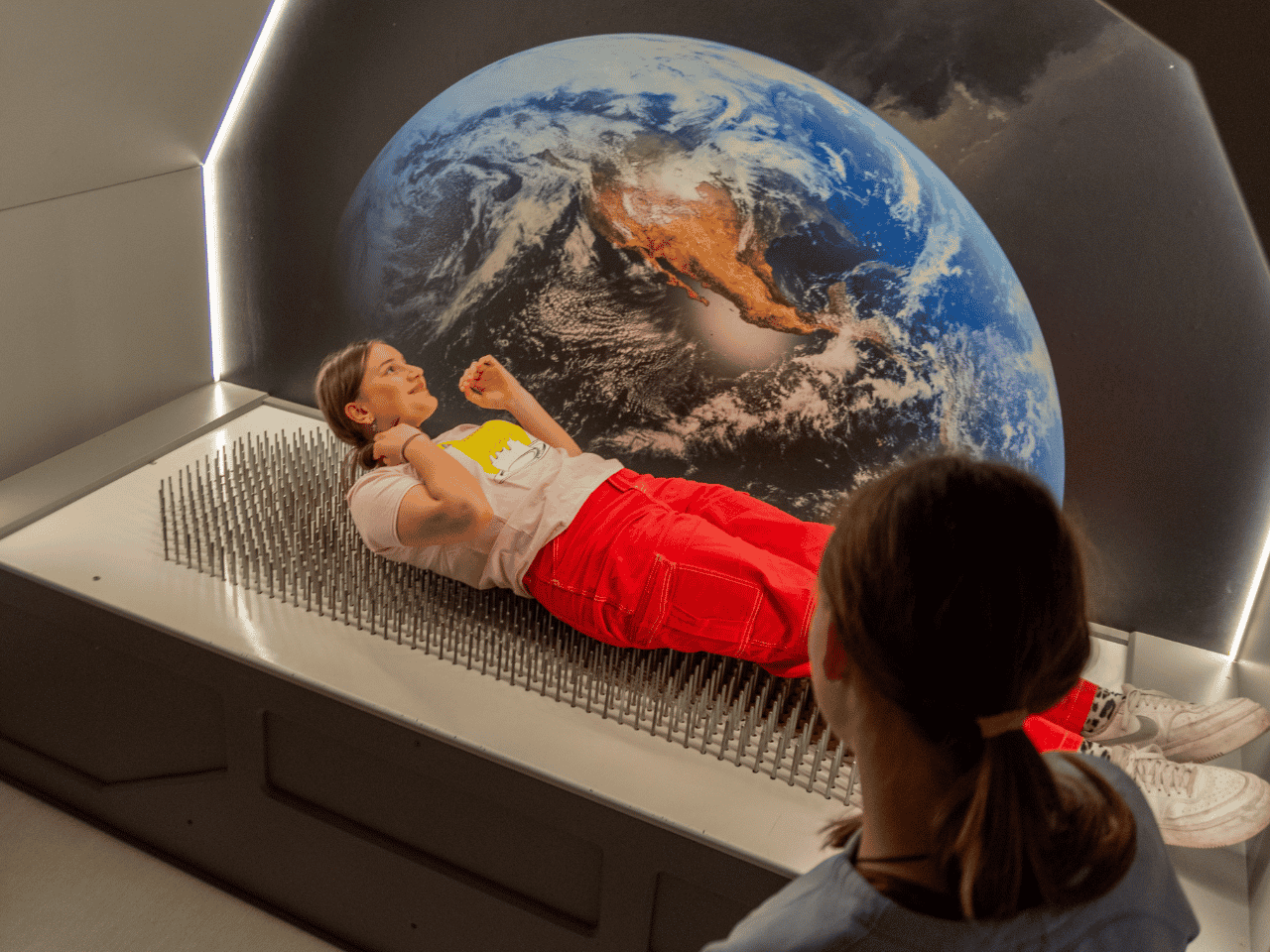
Classes can also upgrade their visit with additional activities.
Illusions Hunt is an interactive game filled with tasks, questions, and challenges where students explore the world of illusions while developing observation skills, logical thinking, and teamwork through play.
For more active groups, there’s the Skill Challenge Course — a dynamic screen-free program packed with fun challenges focused on coordination, motor skills, precision, and teamwork.
And for those who love mysteries, the favourite is usually the Escape Cube, an escape-room-inspired activity where smaller groups solve puzzles, search for clues, and unlock secrets together.
The House of Illusions is a place where students are not just visitors, but explorers. And maybe that’s exactly what makes the perfect end-of-year school trip — one where the whole class forgets, just for an hour, that they’re actually still at school.